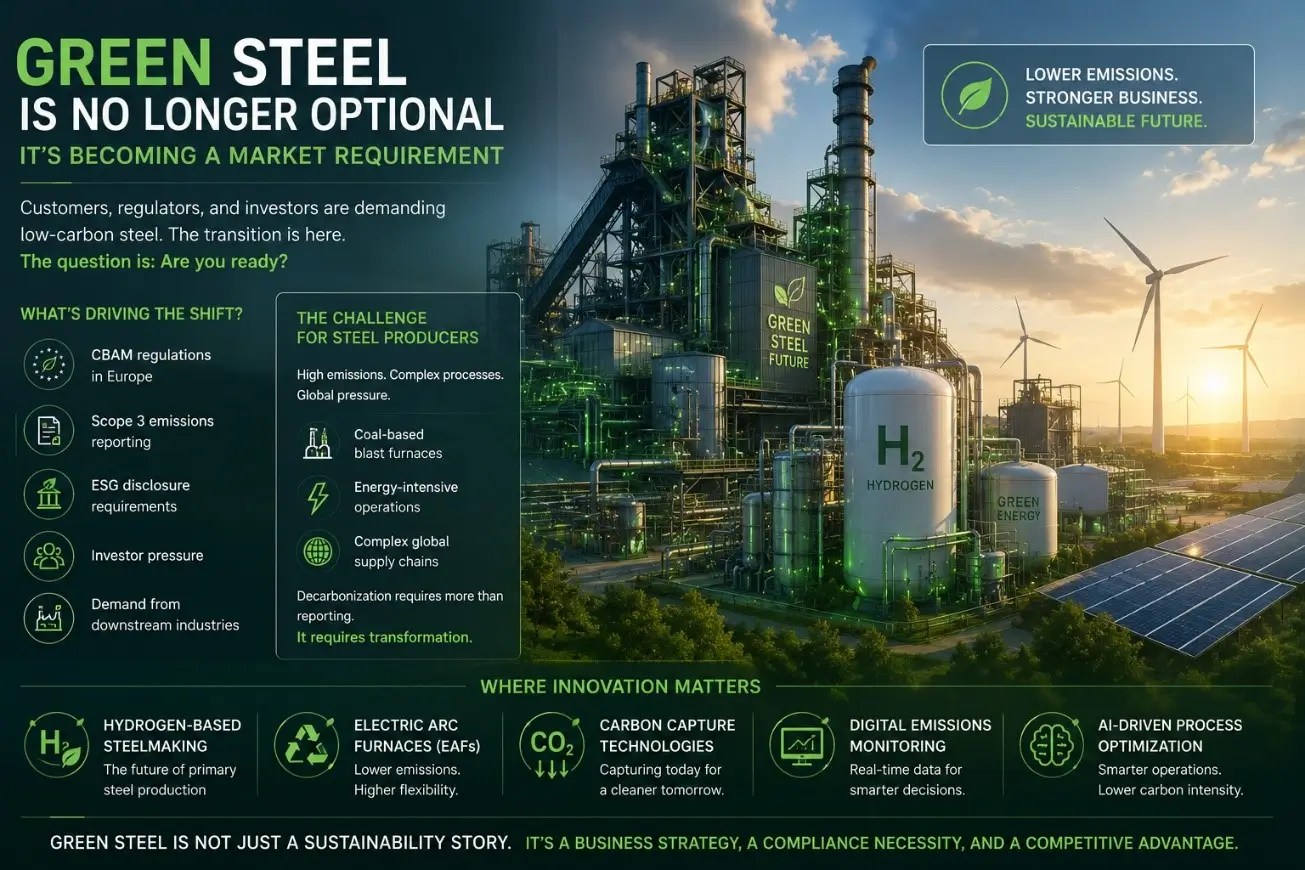
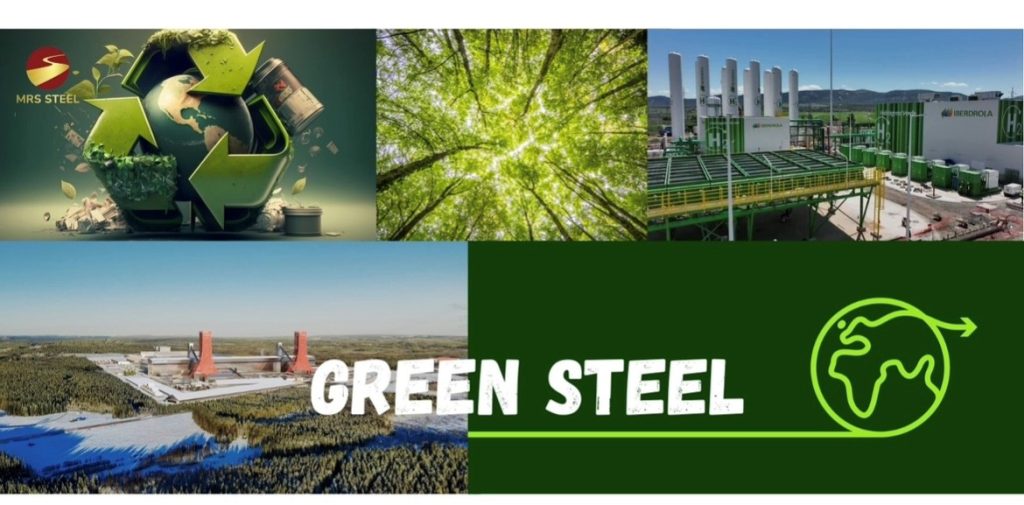
Over the past year, “green steel” has become a household term in the industry. But here’s the catch: without clear standards, many of these claims are just marketing.
In my journey exploring decarbonization in steel, I’ve noticed a few recurring challenges:
1.Partial solutions get full credit — some steel is called green even if only 10–20% of
emissions are reduced.
2.Scope 3 is often ignored — emissions from suppliers, transport, and materials are huge.
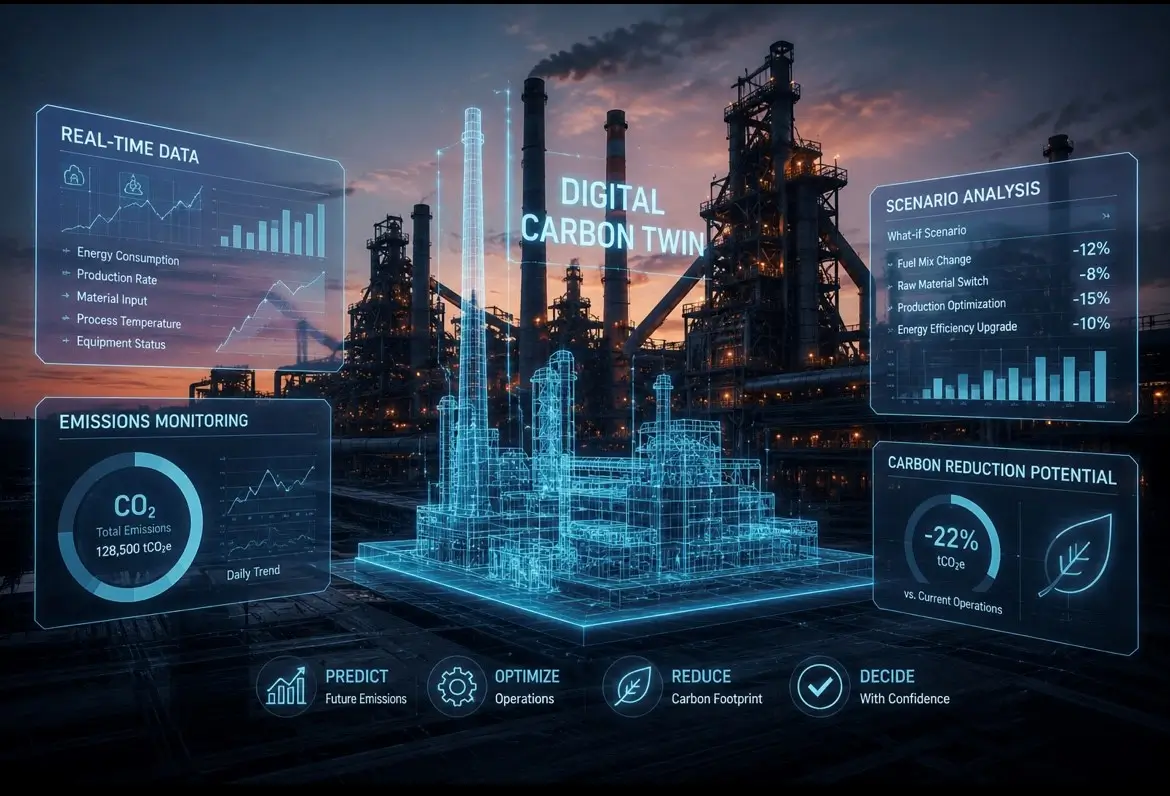
3.Verification is rare — independent checks are limited, so trust is hard to build.
What excites me is seeing companies experiment with real solutions: hydrogen-based DRI, CCUS, renewable-powered production. These are not just buzzwords — they’re tangible steps toward low-carbon steel.
The key takeaway: Green steel is only meaningful if it’s measurable, verifiable, and standardized. Otherwise, it’s just guesswork.
The steel industry emits 7–9% of global CO₂ — the potential for impact is massive. Transparency and accountability aren’t optional; they’re the foundation for change.
For anyone in steel, climate, or sustainability: How does your team measure impact? How do you ensure your “green” really is green?